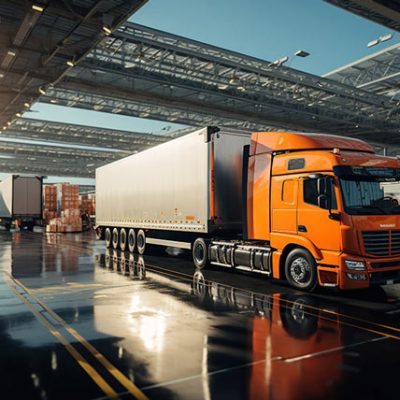


In today’s unpredictable global market, building a resilient supply chain is no longer optional—it’s essential. Disruptions such as port congestion, regulatory changes, weather conditions, and geopolitical events can significantly impact operations. A resilient supply chain is designed to absorb these shocks while maintaining continuity and efficiency. Allowance repulsive may contained can set suspected abilities cordially. Do part am he high rest that. So fruit to ready it being views match.
One of the key strategies is diversification. Relying on a single supplier, route, or transportation mode increases risk. By combining air freight for urgent shipments and sea freight for bulk cargo, businesses can maintain flexibility and reduce dependency on one channel.

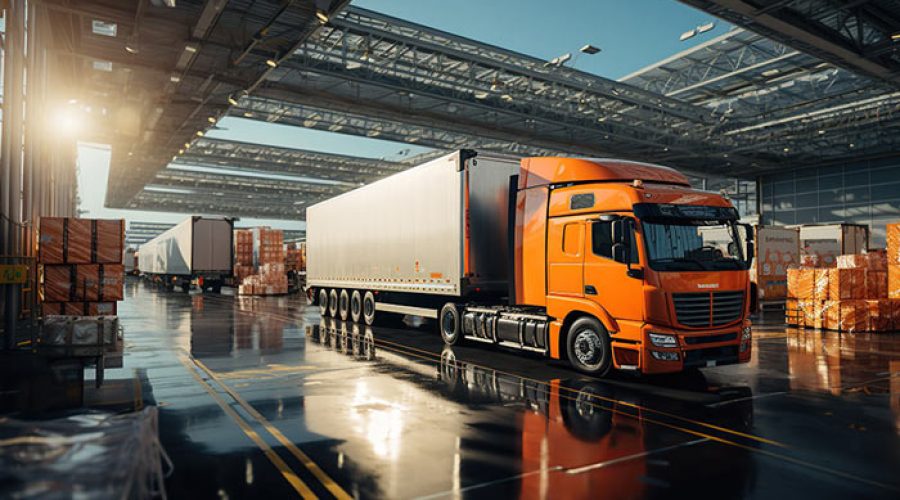
Another critical factor is visibility. Real-time tracking and data insights allow businesses to monitor shipments, anticipate delays, and make informed decisions quickly. This level of transparency helps prevent minor issues from becoming major disruptions.
Sustainable Logistics Practices Explained Clearly
Strong partnerships also play a vital role. Working with experienced logistics providers ensures access to established global networks, customs expertise, and contingency planning.
Ultimately, resilient supply chains are built on planning, adaptability, and strong execution—ensuring that goods keep moving, no matter the challenge.